Published: 22 Oct 2026


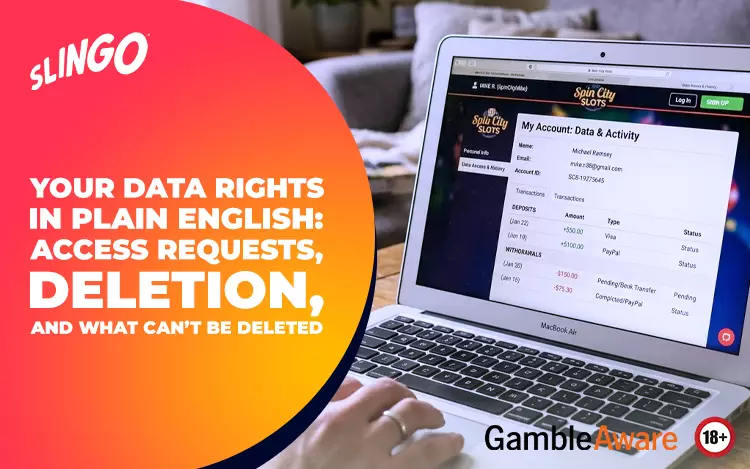

When you create an account on a gaming platform, certain personal information is collected and stored. This data helps platforms operate securely, manage accounts, and comply with legal requirements. But players also have rights regarding how their information is handled.
Understanding these rights helps players stay informed about how their data is used. Whether someone enjoys online slots or other digital games, knowing what information can be accessed, corrected, or deleted makes it easier to manage personal data responsibly.
*Terms and conditions apply.*
What “Data Rights” Actually Means
Data rights refer to the legal protections individuals have over their personal information. In the UK and many other regions, these rights are governed by data protection laws such as the General Data Protection Regulation (GDPR).
These rules require companies to:
- Be transparent about how data is used
- Protect personal information securely
- Allow individuals to request access to their data
- Provide ways to correct inaccurate information
Players who take part in social gaming environments such as bingo games may share account details, payment information, and identity verification documents with a platform. Data protection rules help ensure that this information is handled responsibly.
What Is a Data Access Request?
A data access request allows a player to ask a company for a copy of the personal information it holds about them.
This is sometimes called a Subject Access Request (SAR).
When a request is submitted, the platform may provide details such as:
|
Data Type |
Examples |
|
Account information |
Name, email, account ID |
|
Transaction records |
Deposits and withdrawals |
|
Gameplay history |
Game sessions and activity logs |
|
Support interactions |
Customer service conversations |
These requests help players understand exactly what information is stored in their account.
Slingo Tip: If you’re unsure what data a platform holds about you, submitting a simple access request can provide a clear overview.
What Data Can Be Deleted
Players often assume that all personal data can be removed immediately upon request. In practice, some information can be deleted, while other records must remain stored for legal reasons.
Data that may often be deleted includes:
- Marketing preferences
- Optional profile information
- Certain account settings
- Communication preferences
When accounts are closed, platforms may remove or anonymise some information to protect privacy.
Hybrid games such as Slingo often store gameplay data linked to user accounts. While some of this information can be anonymised, certain records must remain stored for compliance purposes.
Why Some Information Cannot Be Deleted
Data protection laws also allow companies to keep certain records when there is a legal obligation to do so.
Examples include:
- Financial transaction records
- Identity verification documents
- Anti-fraud monitoring logs
- Regulatory compliance records
These requirements help ensure that gaming platforms operate transparently and prevent financial crime.
For example, identity checks are often part of standard compliance processes. If you're curious about how these checks work, What to Expect from KYC in Online Bingo explains why platforms request identification documents and how those checks protect players.
How Data Protection Helps Prevent Fraud
Data storage rules are not only about regulation. They also help prevent fraudulent activity and protect player accounts.
Platforms use stored data to detect suspicious behaviour, verify transactions, and ensure that funds are handled securely.
If you’d like to understand how gaming platforms manage security risks, How Casinos Prevent Fraud & Protect Player Funds explores the systems used to monitor transactions and protect accounts.
These protections help maintain a safe environment for players.
Understanding Legal Responsibilities
Gaming platforms operate under strict regulatory frameworks that require them to maintain accurate records.
These regulations apply to many areas, including:
- Player identity verification
- Financial transaction monitoring
- Compliance reporting
- Anti-money laundering procedures
For readers interested in the legal framework surrounding these systems, Understanding UK Online Gambling Laws: Slot Rules Every Player Should Know explains some of the regulations that guide how gaming platforms operate.
Knowing that these rules exist can make data retention policies easier to understand.
Responsible Data Management
Managing personal data responsibly is part of maintaining a safe gaming environment.
Platforms must balance privacy rights with regulatory obligations. This means protecting personal data while also keeping records necessary for legal compliance.
These protections support broader safety principles linked to responsible gambling, which encourage transparency, fairness, and player protection within gaming platforms.
Clear data policies help ensure that both players and platforms operate within safe and regulated environments.
How to Submit a Data Request
If a player wishes to access or update their information, most platforms provide a simple process.
Typical steps include:
- Contacting the platform’s support team
- Requesting access to personal data
- Providing identity confirmation if required
- Waiting for the platform to compile the requested information
Under many regulations, companies must respond to these requests within a defined time frame.
The process may vary slightly between platforms, but the goal remains the same: providing transparency about how personal data is handled.
What Happens After an Account Is Closed
Some players choose to close their accounts or stop using a platform entirely.
When this happens, certain information may be removed or anonymised, while other records remain stored for compliance reasons.
These retained records help ensure that platforms can:
- Verify past transactions
- Investigate disputes
- Meet regulatory reporting obligations
While this may seem complex, it helps maintain trust in the systems that support online gaming environments.
Staying Informed About Your Data
Understanding personal data rights doesn’t require legal expertise. In simple terms, players have the right to know what information is collected, how it is used, and when it can be removed.
By learning how access requests and deletion policies work, players can feel more confident managing their accounts.
And when everything is running smoothly, they can return to enjoying their gaming sessions—perhaps even another round of Slingo.
Slingo Tip:If you’re unsure about how your data is used, checking the platform’s privacy policy is often the quickest way to understand your rights.
FAQs
What is a data access request?
A data access request allows individuals to ask a company for a copy of the personal data it holds about them.
Can players delete all their data from a gaming platform?
Not always. Some records must be retained for legal and regulatory reasons.
Why do casinos keep identity verification documents?
Identity checks help prevent fraud, protect accounts, and comply with regulatory requirements.
How long can gaming platforms keep personal data?
The retention period varies depending on regulatory obligations and the type of information stored.
What should I do if I want to review my stored data?
Contact the platform’s support team and request access to your personal data.