Published: 14 Apr 2026

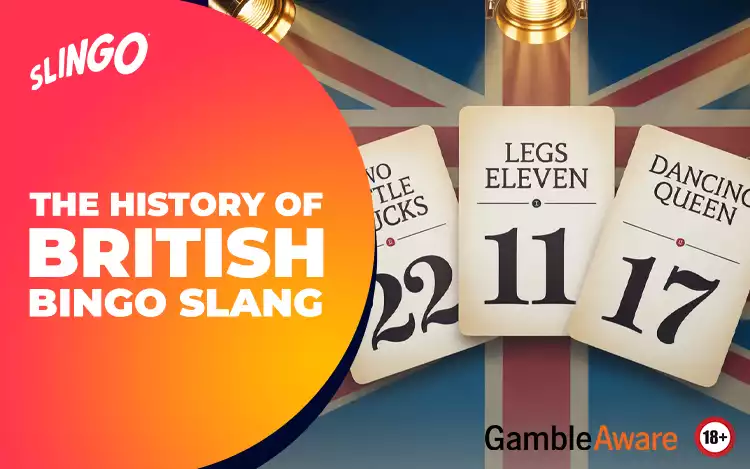

British bingo has always been more than numbers on a card. Its language, cheeky, memorable, and oddly poetic, has been part of UK entertainment for generations. Whether shouted across a bustling bingo hall or typed playfully in chat rooms, these calls help shape the game’s unmistakable personality. Many players first encounter them while trying out online bingo games, discovering phrases that have been passed down through decades of local humour, cultural references, and regional wit.
Understanding where these iconic sayings came from reveals how deeply bingo is woven into British social history. Let’s explore all of these in this Slingo guide.
*For entertainment purposes only*
What Is Bingo Slang and Where Did It Come From?
At its heart, bingo slang grew out of a simple need: making it fun to call out numbers. Early callers wanted to keep players engaged, energised, and paying attention, especially in noisy hall settings. The result was a growing collection of rhymes, jokes, and references—some sweet, some saucy, and some delightfully baffling if you weren’t in on the joke.
Over time, this collection became widely recognised as bingo slang, a cultural treasure trove reflecting everything from wartime slang to music hall comedy. Much of it also emerged from working-class communities, where humour was a daily shorthand and entertainment needed no stage.
Some phrases came from Cockney rhyming slang, others from radio culture, and some simply from local in-jokes that spread nationwide. By the 1960s and 1970s, bingo halls across the country had developed their own flavour, with callers becoming mini-celebrities known for unique delivery styles and improvised additions.
The story of this evolution forms a crucial part of the history of bingo calls, which continues to grow even as the game moves deeper into digital spaces.
Top 10 British Bingo Calls and Their Origins
The UK’s most iconic bingo calls are rich with cultural references—some obvious, some obscure, all memorable. These ten classics offer a snapshot of just how eclectic and entertaining the tradition can be.
1. Legs Eleven (11)
One of the most instantly recognisable calls, “Legs Eleven” refers to the number’s shape. Traditionally delivered with a cheeky tone, it became a staple in both halls and pop culture.
2. Two Little Ducks (22)
A simple visual joke: the two number twos look like a pair of ducks. The typical response from players—“Quack, quack!”—has become just as iconic as the call itself.
3. Kelly’s Eye (1)
This phrase stems from military slang and possibly references Ned Kelly, the Australian outlaw. In British bingo, it’s been used for decades as the official opener of many games.
4. Knock at the Door (4)
A nod to everyday domestic life, this phrase draws from the traditional rhythm of door knocks. It highlights how bingo slang often captured familiar experiences.
5. Clickety Click (66)
A rhyme rooted in mid-20th-century pop culture, this call reflects the repetitive sound of objects clicking together. It’s one of the most musical calls in the list.
6. Half a Century (50)
Not all calls are comedic; some are straightforward markers of milestones. Fifty has long been treated with respect, sometimes even delivered with a more solemn tone.
7. Dirty Gertie (30)
A reference to a 1946 British film, Dirty Gertie from Number Thirty. This call shows how cinema and entertainment once heavily influenced bingo slang.
8. Gateway to Heaven (27)
A lyrical rhyme that gives the number a spiritual twist. Some callers deliver it softly for dramatic effect.
9. The Brighton Line (59)
One of the more obscure references, this phrase traditionally connects the number to a railway route. It showcases how travel culture influenced early slang.
10. Time for Tea (83)
A wonderfully British phrase drawing on the nation’s affection for tea breaks. It reflects an era when certain mealtime routines were near-universal.
Together, these expressions form the foundation of what many recognise as British bingo lingo, a living part of cultural heritage that continues to evolve with each generation of players.
A Note on Cultural Preservation
Much of what we know about the earliest bingo calls comes from community memory rather than formal documentation. That’s why many players rely on curated collections of classic UK bingo slang to explore the many versions, variations, and regional quirks that have shaped the tradition.
How Online Bingo Keeps Slang Alive
The move to digital gameplay could have easily erased bingo’s linguistic identity—but instead, it preserved and amplified it. Today’s online rooms often display classic calls in side panels, animated pop-outs, or themed events that celebrate key numbers.
Chat features play a significant role too. Many users casually drop slang into conversation, whether they’re greeting newcomers, reacting to big wins, or teasing friends about near misses. Even modern abbreviations and emojis now blend with traditional expressions, creating a hybrid form of bingo chat slang that feels both nostalgic and new.
Operators also host themed nights or special rooms dedicated to classic British-style calling. Voiceover calls, celebratory animations, and even retro design motifs allow digital bingo to keep time-honoured language vibrant for younger generations who may never have visited a physical hall.
Interestingly, some slang evolves organically online. Players riff on old rhymes, remix familiar phrases, or invent new ones that fit contemporary culture. The digital environment gives these adaptations room to spread fast, turning casual jokes into widely recognised expressions almost overnight.
Why This Quirky Tradition Still Matters
Slang is more than background noise—it’s the heartbeat of bingo. These phrases build shared memory, shape community identity, and connect generations of players, even across different formats.
Many heritage advocates argue that bingo slang helps reinforce the cultural importance of everyday leisure. It represents humour, resilience, and community spirit, especially from periods when bingo halls served as key social spaces.
This perspective is central to ongoing conversations about UK funny bingo calls, which highlight how humour has long been part of bingo’s communal fabric. Even in digital form, a well-delivered rhyme can lift the mood of an entire room.
As today’s online players continue engaging with traditional phrasing, the question of how these expressions endure becomes increasingly relevant to the traditional bingo terms that have shaped the game for nearly a century. They’re reminders of how culture evolves, sometimes organically, sometimes playfully, but always collectively.
Most importantly, bingo slang allows the game to carry its past into the present. Even as platforms modernise, the language keeps the spirit of the old halls alive, connecting nostalgic players with newcomers discovering the charm for the first time.